How to Cope With Depression After a Divorce
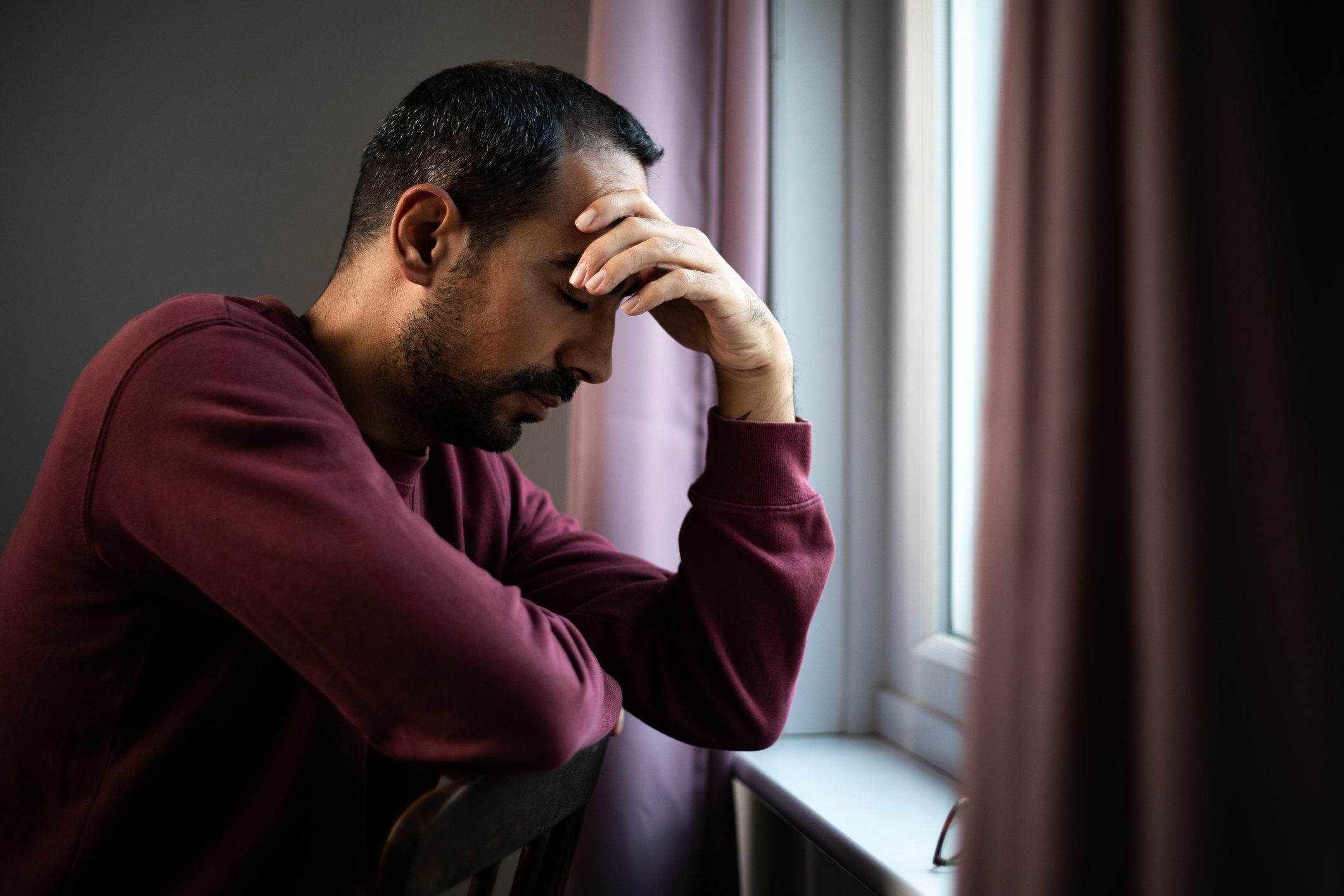
Divorce is one of life’s most challenging events, and it can lead to a range of emotions, including sadness, anger and anxiety. For many, it may also lead to depression. Understanding how to cope with depression after a divorce is crucial for rebuilding your life and finding your path to emotional well-being. Depression is more than just feeling sad or having a bad day. It is a mental health condition that affects how you think, feel and handle daily activities. Recognizing the signs of depression is the first step in seeking help and beginning your journey to recovery.
Types of Depression
There are several types of depression, each with its own set of symptoms:
- Major Depressive Disorder (MDD): This is characterized by persistent sadness and loss of interest in activities you once enjoyed. It can affect your ability to work, sleep, eat and enjoy life.
- Persistent Depressive Disorder (PDD): Also known as dysthymia, this type involves chronic depression lasting for at least two years. Symptoms may not be as severe as MDD but can still affect daily functioning.
- Situational Depression: Often triggered by a specific event or situation, such as a divorce. Symptoms can be similar to MDD but are usually temporary and resolve once the situation improves.
Symptoms of Depression
Recognizing the signs of depression is essential for seeking timely help. Common symptoms include:
- Persistent sadness or hopelessness
- Loss of interest in activities
- Changes in appetite or weight
- Sleep disturbances
- Fatigue or lack of energy
- Difficulty concentrating
- Feelings of worthlessness or guilt
- Thoughts of death or suicide
If you or someone you know is experiencing these symptoms, it is crucial to seek help from a mental health professional.
Why Can Divorce Cause Depression?
Divorce is a significant life transition that can trigger depression. The end of a marriage often brings about feelings of loss, failure and uncertainty about the future. The emotional toll can be overwhelming, leading to post-divorce depression. The reasons divorce can lead to depression include:
- Loss of companionship and support
- Financial strain
- Changes in living arrangements
- Strained relationships with children or family
- Loss of identity or self-worth
Managing Post-Divorce Depression
Managing depression after a divorce involves both emotional and practical steps. Below are some coping strategies to help you navigate this challenging time: One of the most effective ways to cope with depression is to seek professional help. A therapist or counselor can provide support and guidance as you work through your emotions. Therapy options include:
- Cognitive Behavioral Therapy (CBT): This type of therapy helps you identify and change negative thought patterns that contribute to depression.
- Interpersonal Therapy (IPT): Focuses on improving relationships and communication skills, which can be particularly helpful after a divorce.
If your depression is severe, consider seeking help from a depression treatment center. These centers offer comprehensive treatment programs tailored to your needs, including therapy, medication management and support groups. Having a strong support network is crucial for recovery. Reach out to friends, family or support groups who understand what you’re going through. Sharing your experiences and feelings can provide comfort and encouragement. Creating a daily routine can provide structure and stability during a time of uncertainty. Set small, achievable goals for yourself and gradually build up to more challenging tasks. Prioritize self-care by engaging in activities that promote physical and mental well-being. This includes regular exercise, a balanced diet, sufficient sleep and mindfulness practices like yoga or meditation. Understand that healing takes time. Be patient with yourself and set realistic expectations for your recovery. Celebrate small victories along the way. Coping with depression after a divorce is challenging, but with the right strategies and support, it is possible to navigate this difficult period and emerge stronger. Recognize the signs of depression, seek professional help and lean on your support network. Remember, you are not alone and there are resources available to help you on your path to recovery. Seeking professional help for your depression can make a huge difference in your quality of life. Old Vineyard is proud to offer several programs designed to help those struggling with depression as a part of substance abuse, or a large, traumatic life event. Call today at (336) 794-3550 or take our online assessment to see if Old Vineyard is right for you. If you or a loved one is experiencing a mental health crisis, CALL 988 or seek the nearest emergency room. For physical health emergencies, CALL 911 or get to the nearest emergency room.
Old Vineyard Behavioral Health Services
Old Vineyard Behavioral Health Services is a treatment center that provides compassionate inpatient and outpatient treatment to help those achieve meaningful mental health and wellness. We treat a variety of behavioral health disorders including trauma, depression, mood disorders and more.
Our team of dedicated staff pride themselves on creating a safe and welcoming environment for all of our patients and their loved ones. Some of our services include our treatment, specialty and outpatient programs. Located in Winston-Salem, North Carolina, we provide a beautiful, campus-like atmosphere.
To schedule a consultation with us or for more information, please call 855-602-5920.